
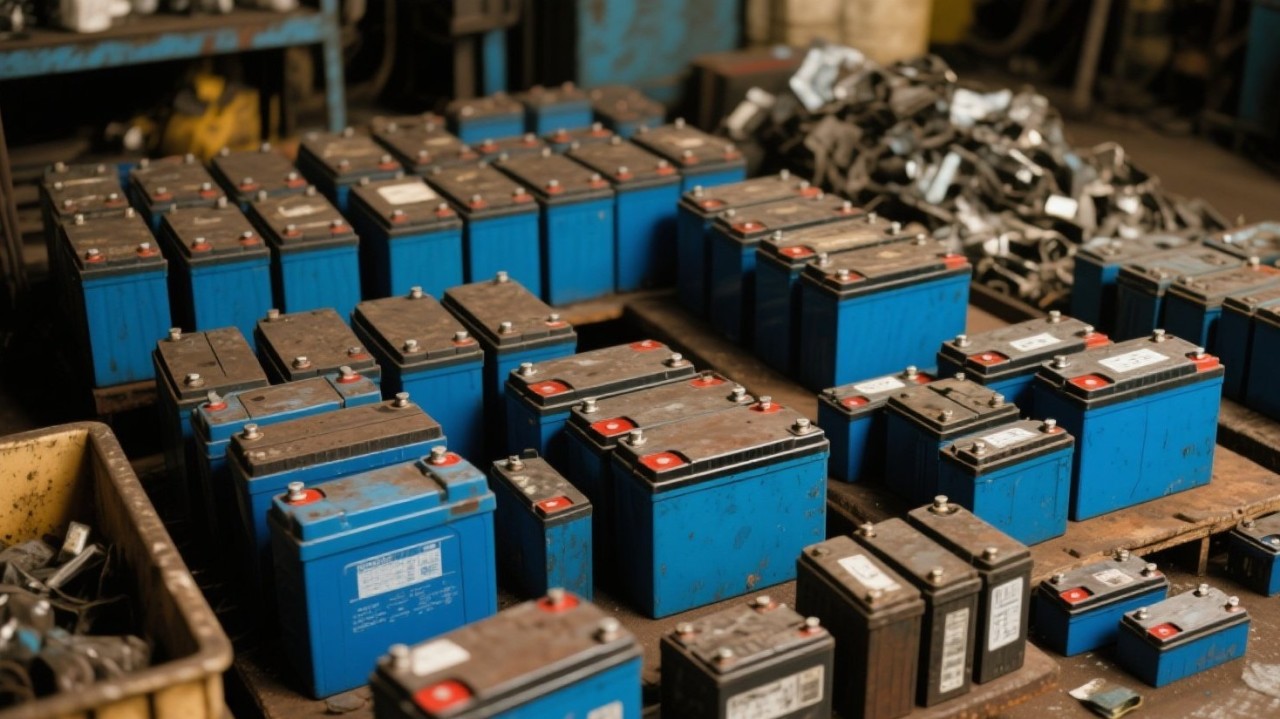
Solomon WadaSolomon WadaIn the heart of Africa, a continent rich in natural resources and cultural heritage, there lies a pressing challenge that demands immediate attention: the environmental and health impacts of lead-acid battery recycling. As Africa strides towards a sustainable future, the proper management of lead-acid batteries emerges as a pivotal issue, not only for environmental protection but also for safeguarding the well-being of its children and communities.
The Growing Demand for Lead-Acid Batteries in Africa
Africa's energy landscape is undergoing a significant transformation. With a population projected to increase by 740 million people by 2050, the continent's energy demand is expected to surge dramatically. Lead-acid batteries play a crucial role in this energy transition, powering cars and generators, providing solar power storage, and even backup for cell towers during rolling blackouts. According to the International Renewable Energy Agency (IRENA), Africa's renewable energy capacity has been growing steadily, with solar and wind energy showing remarkable promise. This growth, while positive for the environment, also increases the reliance on lead-acid batteries for energy storage, making their proper recycling and management an urgent priority.

- Figure souce: Renewable Energy Market Analysis
- Source: (a) Global Solar Atlas (ESMAP, 2019b); (b) IRENA Global Atlas for Renewable Energy (IRENA, 2021d).
- Note: kWh/m2 = kilowatt hours per square metre; PV = photovoltaic.
- Disclaimer: This map is provided for illustration purposes only. Boundaries shown on this map do not imply any endorsement or acceptance by IRENA

- Figure souce: Renewable Energy Market Analysis
- Source: (a) Global Wind Atlas (DTU, 2015); (b) IRENA Global Atlas for Renewable Energy (IRENA, 2021d); Base map: UN boundaries.
- Note: m/s = metre per second; m = metre; s: second.
- Disclaimer: This map is provided for illustration purposes only. Boundaries shown on this map do not imply any endorsement or acceptance by IRENA.
The Perils of Improper Lead-Acid Battery Recycling
Despite the essential role of lead-acid batteries, their improper recycling poses severe environmental and health risks. Small-scale, informal recycling operations, often found in African shantytowns and urban backstreets, are proliferating due to the high profitability of lead recycling. These operations, lacking proper regulation and safety measures, release toxic lead dust and fumes into the environment. The consequences are devastating. Perry Gottesfeld of Occupational Knowledge International highlights that unsafe lead battery recycling is "the most serious environmental health threat to children." Lead, a potent neurotoxin, damages the intellectual development of young children even at low levels, reducing IQ and attention span. According to UNICEF and Pure Earth, approximately 800 million children globally have blood lead levels above the safety standard set by the U.S. Centers for Disease Control and Prevention. In Africa, this issue is particularly severe, with studies showing widespread lead contamination of soil around recycling plants in urban slums and near schools.
The Impact on Africa's Children
The health of Africa's children is at stake. In Senegal, 18 children died in just from encephalopathy caused by toxic lead pollution from a battery recycling plant. In Mombasa, Kenya, a mother's baby son was poisoned by her breast milk, which contained dangerous levels of lead from a nearby battery recycling plant. These are not isolated incidents but part of a larger crisis. Lead poisoning, often silent and insidious, can lead to irreversible neurological damage, cognitive impairments, and even death. The long-term consequences extend beyond individual health, affecting communities and economies, with childhood lead exposure estimated to cost lower- and middle-income countries nearly USD 1 trillion due to lost economic potential.
Neway Group's Comprehensive Solution for Africa's Battery Ecosystem
Against this backdrop, Neway Group emerges as a beacon of hope, offering a comprehensive solution through its battery manufacturing, sales, and recycling full-link system.
Manufacturing Durable Batteries for Long-Term Use
Neway Group's battery manufacturing division is dedicated to producing high-quality, reliable lead-acid batteries tailored to the diverse needs of African consumers. These batteries are designed with durability and performance as key priorities, ensuring they have a longer lifespan. This reduces the frequency of battery replacements, contributing to customer satisfaction and indirectly decreasing the long-term volume of discarded batteries.
Extensive Distribution Network Across Africa
NEWAY Power has established a wide-reaching distribution network across the African continent. This ensures that Neway batteries are easily accessible to customers in both urban centers and remote rural areas. By making its products available across different regions, Neway supports the growth of various industries and helps improve living standards in Africa.
Advanced and Eco-Friendly Battery Recycling
Neway's battery recycling initiatives stand out from informal recycling operations common in Africa. Equipped with state-of-the-art technology and adhering to strict environmental and safety standards, Neway's recycling process is designed to minimize environmental harm. The company carefully disassembles end-of-life lead-acid batteries, separates components like lead, plastic, and acid, refines the lead in a controlled environment, and recycles plastic materials, reducing the demand for virgin resources.
Promoting the Circular Economy in Africa
Neway's recycling efforts contribute to Africa's circular economy by reducing the need for mining new raw materials. By recycling lead and other materials from used batteries, Neway helps conserve natural resources and lower greenhouse gas emissions. This supports Africa's climate change mitigation efforts and promotes a more sustainable future.
Raising Awareness and Building Environmental Responsibility
NEWAY Power actively engages with local communities, governments, and other stakeholders in Africa to promote proper battery recycling. The company conducts educational campaigns to inform people about the risks of improper battery disposal and the benefits of recycling. Additionally, Neway collaborates with governments to develop and implement policies that encourage responsible battery recycling practices.
Building a Safer Future Through Collaboration
Neway's efforts are part of a broader initiative to transform the lead-acid battery industry in Africa. By collaborating with local governments, international organizations, and communities, Neway is working to promote safe recycling practices and raise awareness about the dangers of lead exposure. Education campaigns, public awareness initiatives, and the development of strict environmental, health, and safety standards are essential components of this strategy. Neway's goal is to create a future where lead-acid batteries are recycled safely, protecting both the environment and the health of Africa's children.
Data-Driven Insights into Africa's Energy Transition
The International Renewable Energy Agency (IRENA) reports that Africa's renewable energy capacity has grown from 32.65 GW in 2014 to 62.10 GW in 2023, a 91% increase. Solar and wind energy have seen significant growth, reflecting the continent's commitment to sustainable energy. However, this transition also necessitates a corresponding increase in safe battery recycling practices to handle the growing number of lead-acid batteries. Data from IRENA and the African Development Bank (AfDB) indicate that Africa's energy transition requires investments in grid-connected renewable generation projects, as well as in domestic and transnational grids. Strengthening grid systems is crucial to support the expansion of renewables and ensure the proper integration of energy storage solutions, including lead-acid batteries.
The Role of Policy and Regulation
Effective policy and regulation are vital in addressing the lead-acid battery recycling crisis. Governments across Africa must enforce strict environmental and health standards for battery manufacturing and recycling sites. Legislation should focus on preventing children's exposure to high-risk sites and products containing lead, such as certain ceramics, paints, toys, and spices. Additionally, creating global standard measurement units and an international registry of anonymized blood lead level study results can enhance detection and intervention efforts. NEWAY Power supports these regulatory measures and works closely with policymakers to ensure compliance and promote best practices in the battery industry.
Conclusion: A Collective Responsibility
The issue of lead-acid battery recycling in Africa is not just an environmental challenge but a moral obligation. Protecting Africa's environment, children, and sustainable future requires the collective efforts of governments, industries, and communities. Neway Group, through its comprehensive battery ecosystem, is committed to leading the way in safe and sustainable battery practices. By embracing innovation, collaboration, and responsibility, we can turn the tide on lead poisoning and create a brighter, healthier future for Africa's next generation.
Neway Power Technology Co., Ltd
- Sales inquiries: sales@newaypowergroup.com
- Address: RSIN Industrial Park, Ukwa West, Abia State, Nigeria
- Neway Website: http://www.newaypowergroup.com
Share:
Trade-In for Green Energy, Power Upgrade
The enduring role of lead-acid batteries in Africa's clean energy transition